Contractors Need to Protect Themselves

Every day, contractors face risks that can affect their work, finances, and reputation. Protecting yourself as a contractor is not just smart—it’s essential. Whether you’re managing a small home remodeling project or a large renovation, taking steps to safeguard your business and personal well-being helps you stay strong and successful.
Why Contractors Face Unique Risks
Contractors work in environments full of hazards. Construction sites can be unpredictable. Weather, equipment, and human error all play a role. On top of physical risks, contractors also face financial and legal challenges. Delays, disputes, or accidents can lead to costly claims or lawsuits.
Many contractors underestimate these risks until it’s too late. Protecting yourself means planning ahead and using the right tools and services to reduce exposure. This approach helps you avoid surprises and keeps your projects on track.
Essential Ways Contractors Can Protect Themselves
1. Use Proper Insurance Coverage
Insurance is the first line of defense. General liability insurance protects you if someone gets hurt or property is damaged. Workers’ compensation covers your employees if they get injured on the job. Some projects may also require professional liability insurance to cover design or planning errors.
Choosing the right insurance depends on your work type and location. For example, a residential remodeling contractor might need specific coverage for home improvement projects. It’s wise to consult an insurance expert who understands construction risks.
2. Have Clear Contracts and Agreements
Contracts are your safety net. They set expectations and protect you from misunderstandings. A well-written contract should include:
Scope of work
Payment terms
Timeline and deadlines
Change order procedures
Liability and warranty details
Clear contracts reduce disputes and provide legal protection if issues arise. Always have a lawyer review your contracts before signing.
3. Follow Safety Standards and Training
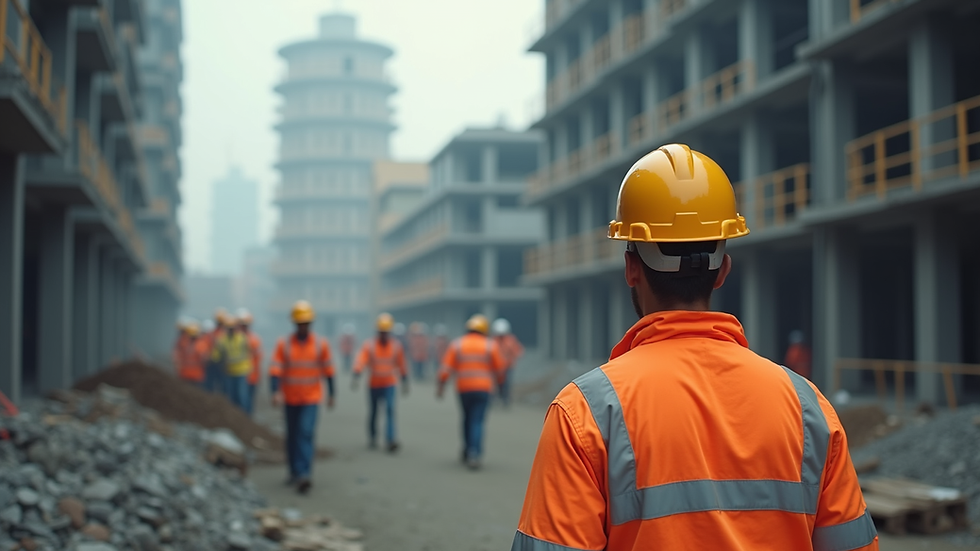
Safety saves lives and money. Following OSHA guidelines and local safety rules helps prevent accidents. Regular training for you and your crew keeps everyone aware of hazards and proper procedures.
Using safety equipment like helmets, gloves, and harnesses is non-negotiable. A safe worksite also improves your reputation with clients and inspectors.
4. Manage Finances Carefully
Cash flow problems can sink a project. Keep detailed records of expenses, invoices, and payments. Use accounting software designed for contractors to track your budget and forecast costs.
Avoid taking on more work than you can handle. Overcommitting leads to rushed jobs and mistakes. It’s better to complete fewer projects well than many poorly.
5. Protect Your Tools and Equipment
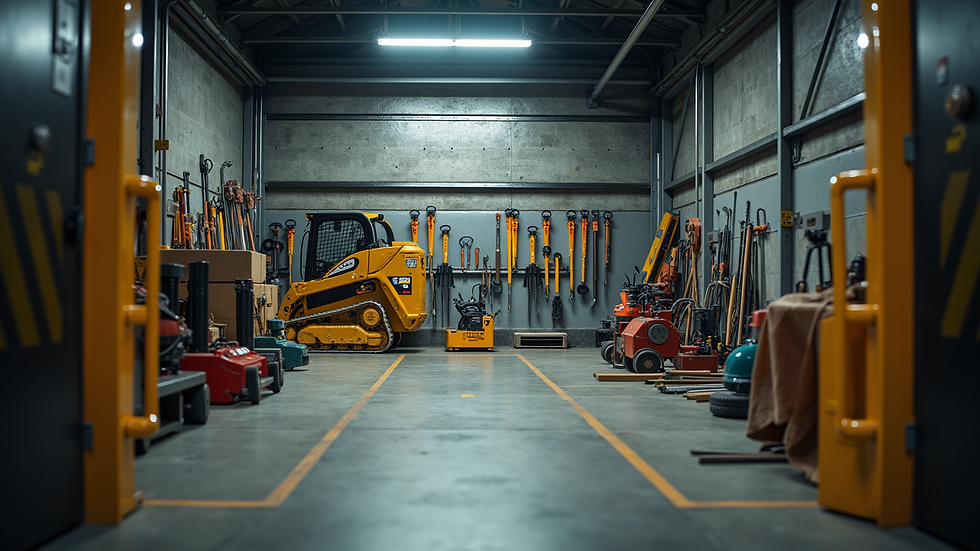
Tools are your livelihood. Theft or damage can cause delays and extra costs. Secure your equipment in locked storage when not in use. Consider insurance that covers tools and machinery.
Regular maintenance also extends the life of your equipment and prevents breakdowns on the job.
How Technology Can Help Protect Contractors
Technology offers new ways to reduce risks and improve efficiency. For example, project management software helps track progress and communication. Safety apps provide checklists and incident reporting on the go.
One useful service is Contractor Shield, a platform that offers insurance solutions tailored for contractors. It simplifies getting the right coverage and managing claims. You can learn more about it here.
Another helpful tool is BuildSafe Pro, which focuses on safety training and compliance tracking. It helps contractors stay up to date with regulations and document safety measures. Check it out here.
Using these services can save time and reduce stress, letting you focus on delivering quality work.

Legal Protection and Dispute Resolution
Even with the best precautions, disputes can happen. Knowing your legal rights and options is crucial. If a client disagrees about work quality or payment, having clear contracts and documentation helps resolve issues faster.
Consider mediation or arbitration before going to court. These methods are less costly and preserve business relationships. If you face a lawsuit, hire a lawyer experienced in construction law.
Building a Reputation for Reliability
Protecting yourself also means protecting your reputation. Delivering projects on time and within budget builds trust. Communicate clearly with clients and address concerns promptly.
Satisfied clients lead to referrals and repeat business. This steady work helps you grow and weather tough times.
Final Thoughts on Contractor Protection
Protecting yourself as a contractor means more than just avoiding risks. It means building a strong foundation for your business. Use insurance, clear contracts, safety practices, and technology to stay ahead.
By managing finances carefully and preparing for legal challenges, you keep your projects running smoothly. Protect your tools and reputation to ensure long-term success.
If you want to explore insurance options designed for contractors, visit Contractor Shield. It’s a smart step toward securing your future.
Taking these steps helps you focus on what matters most: delivering quality work and growing your business with confidence.



Comments