
Contactors Protect Yourself from Bad Clients

Starting a home remodeling project is exciting. You imagine new spaces, fresh designs, and a home that fits your lifestyle better. But working with the wrong contractor can turn that dream into a nightmare. Protecting yourself from bad clients is just as important for contractors as it is for homeowners. In this post, I’ll share how contractors can safeguard their business and reputation by managing client relationships wisely.
Why Protecting Yourself from Bad Clients Matters
Bad clients can cause serious problems. They might delay payments, demand work outside the contract, or create conflicts that waste time and money. For contractors, these issues hurt cash flow and damage their reputation. For homeowners, working with a contractor who doesn’t protect themselves can lead to poor quality work or unfinished projects.
When contractors set clear boundaries and use the right tools, they reduce risks. This helps keep projects on track and ensures everyone stays happy. Protecting yourself from bad clients means fewer headaches and better results.

How Contractors Can Spot and Avoid Bad Clients
The first step is spotting warning signs early. Contractors should watch for clients who:
Are vague about project details or budgets
Refuse to sign a clear contract
Have a history of disputes or unpaid bills
Demand unrealistic deadlines or changes without extra pay
As a contractor, I always ask for references and check past work history. This helps me understand if a client is reliable. I also make sure to communicate clearly from the start. Setting expectations about timelines, costs, and responsibilities helps avoid surprises.
Using Contracts to Protect Yourself
A solid contract is the best defense against bad clients. It should clearly state:
Scope of work
Payment schedule
Change order process
Deadlines and penalties for delays
How disputes will be handled
For example, I use a service like Contractor Agreement Pro to create detailed contracts tailored to each project. This tool helps me cover all legal bases and keeps everything transparent. When clients see a professional contract, they take the project more seriously.
Managing Payments to Stay Safe
Late or missing payments are a common problem. To protect myself, I require a deposit before starting work. Then, I set up milestone payments tied to project progress. This way, I’m not left waiting for money after completing all the work.
Using online payment platforms like QuickPay Solutions makes it easy for clients to pay on time. These platforms send reminders and keep records, reducing confusion. They also offer secure payment options, which clients appreciate.
Handling Changes and Disputes Professionally
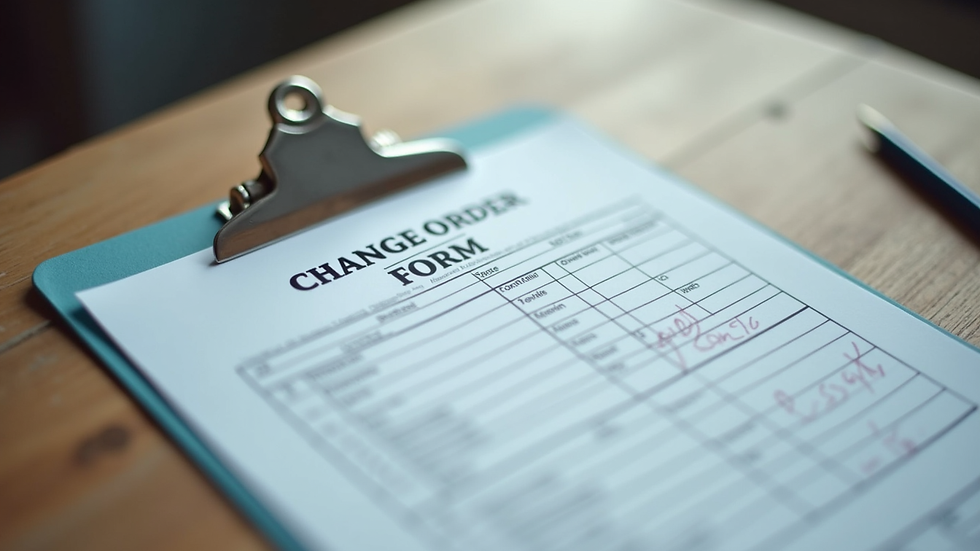
Changes happen in remodeling projects. But they should never be free or informal. I always use a change order form to document any new requests. This form updates the contract and adjusts the price and timeline.
If a dispute arises, staying calm and professional is key. I try to resolve issues through open communication first. If needed, I use mediation services like Fair Resolution Services to find a fair solution without going to court.
Why Communication Is Your Best Tool
Clear communication prevents many problems. I keep clients updated with regular progress reports and photos. This builds trust and shows that I’m on top of the project.
I also set boundaries about when and how clients can reach me. This keeps the workday focused and reduces stress. Using project management apps like BuildTrack helps keep all messages and documents in one place.
Protecting Your Reputation
Word of mouth is everything in this business. Protecting yourself from bad clients means protecting your reputation. Happy clients leave good reviews and recommend you to others.
If you do get a difficult client, handle the situation professionally. Avoid public arguments and focus on solutions. This shows future clients you are reliable and fair.

Final Thoughts on Protecting Yourself from Bad Clients
Protecting yourself from bad clients is about being prepared and professional. Use clear contracts, manage payments carefully, and communicate openly. Tools like Contractor Agreement Pro and QuickPay Solutions can make this easier.
Remember, a good contractor-client relationship is built on trust and respect. When you protect yourself, you protect your business and your clients’ homes. That means better projects and happier endings for everyone.
If you want to learn more about how to keep your remodeling projects smooth and stress-free, check out these resources. Taking these steps will help you avoid common pitfalls and enjoy the process of transforming your home.



Comments